

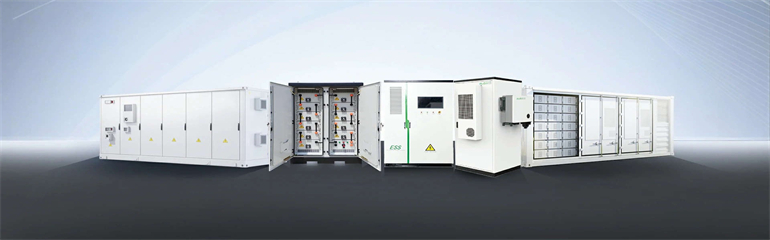
Huawei s share of wind power in solar-powered communication
Huawei"s 100 MW/200 MWh ESS at this PV-plus-wind plant in Henan, China, enhances wind power utilization, setting a benchmark for peak shaving and better grid flexibility.
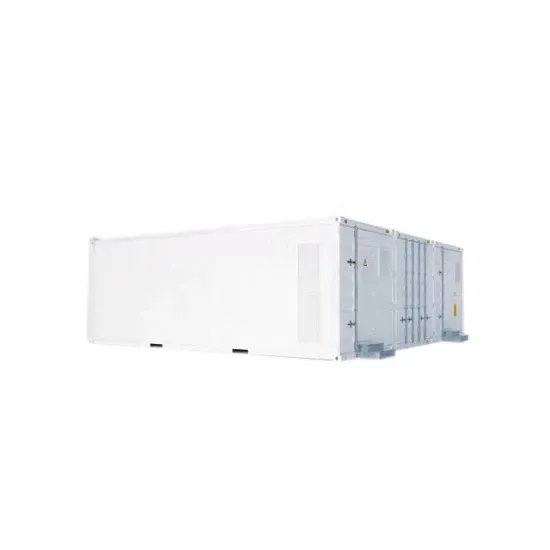
Construction And Management Of Wind Power For Communication
By building a multi-format integrated platform of wind power, solar power and energy storage, it provides comprehensive real-time asset monitoring and overall operation and maintenance (O&M) solutions
SOLAR CONTAINER COMMUNICATION WIND POWER
The wind and solar power complementarity of solar container communication stations across the country is 7MWh Renewable energy plays a key role into achieving the international targets for reducing
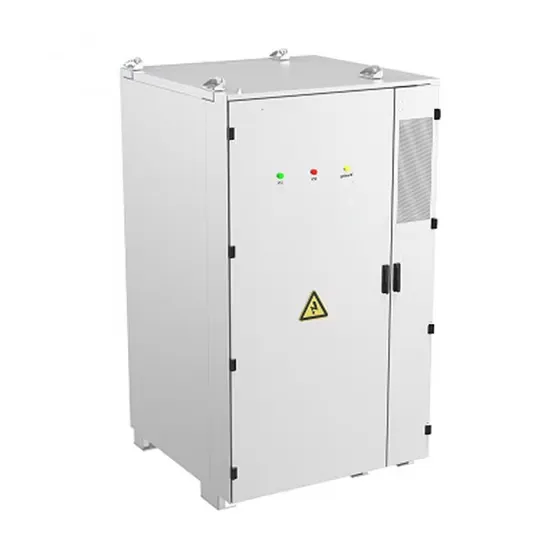
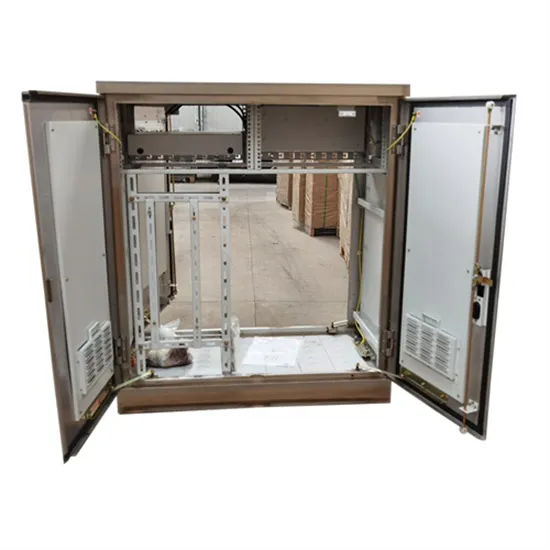
Wireless Solar Powered Communication Cabinet Wind Power
Integrated Solar-Wind Power Container for Communications This large-capacity, modular outdoor base station seamlessly integrates photovoltaic, wind power, and energy.
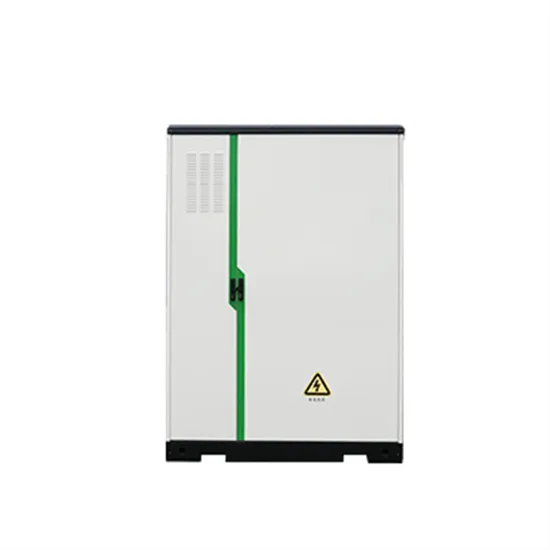
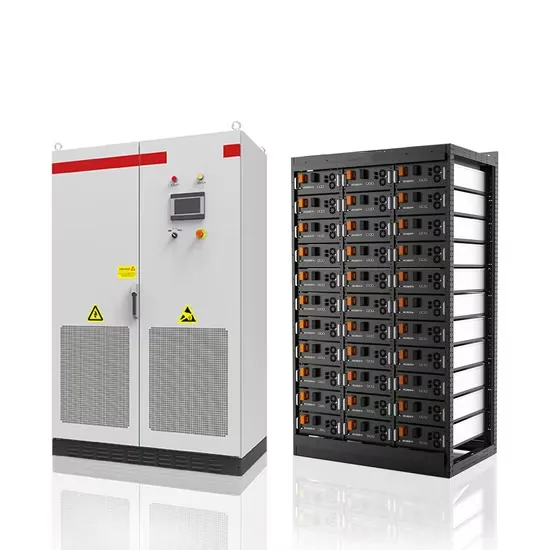
One Site One Cabinet Power Cabinet Solution
Huawei''s One Site One Cabinet power cabinet solution uses a compact, high-density design to simplify site management, reduce energy use, and support sustainable operations.
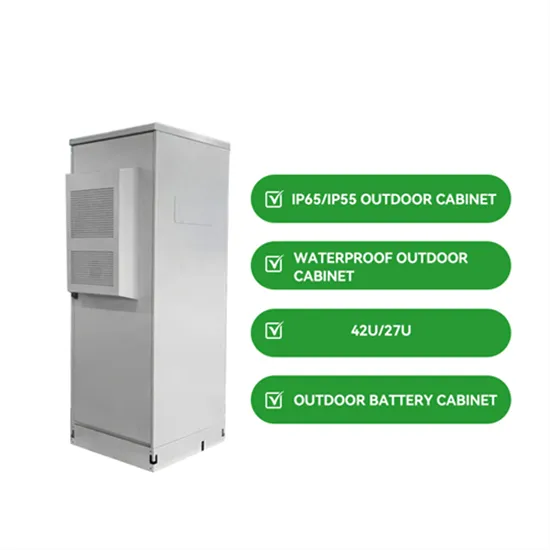
Huawei installs solar-powered cabinets for rural sites under TTCL
All of these components are powered by solar-generated energy, which charges the batteries connected to the rectifier, ensuring reliable and sustainable site operation.
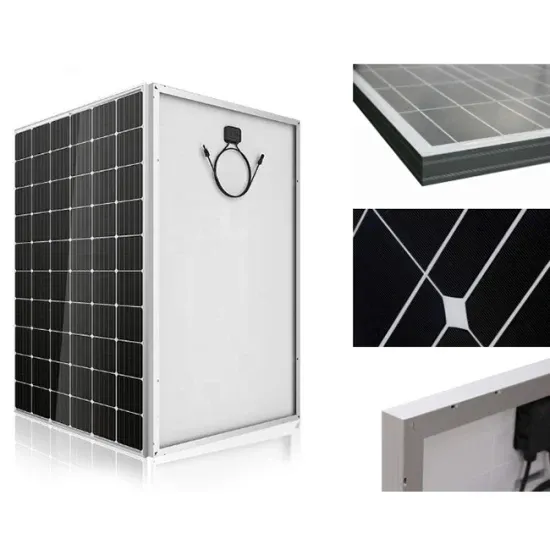
Huawei"s 1,000 Mw Solar Project To Power
Wind: Wind doesn''t directly enhance solar power generation, but it indirectly boosts efficiency by cooling the panels down. Cooler panels increase efficiency, as overheating lowers power generation.
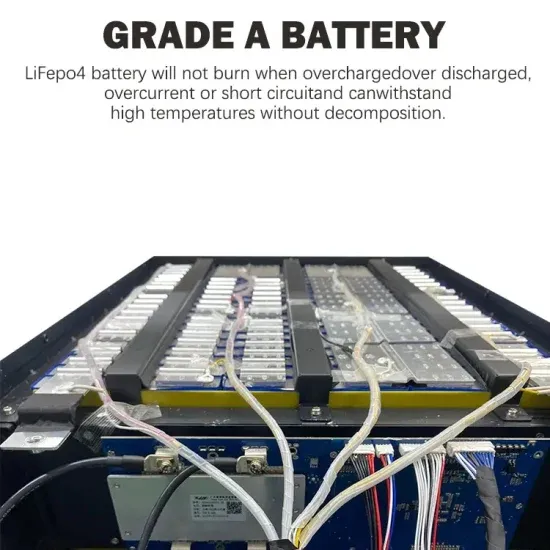
Solar-powered communication cabinet wind power base station power
Perfect for communication base stations, smart cities, transportation, power systems, and edge sites, it also empowers medium to high-power sites off-grid with an energy-efficient, hybrid
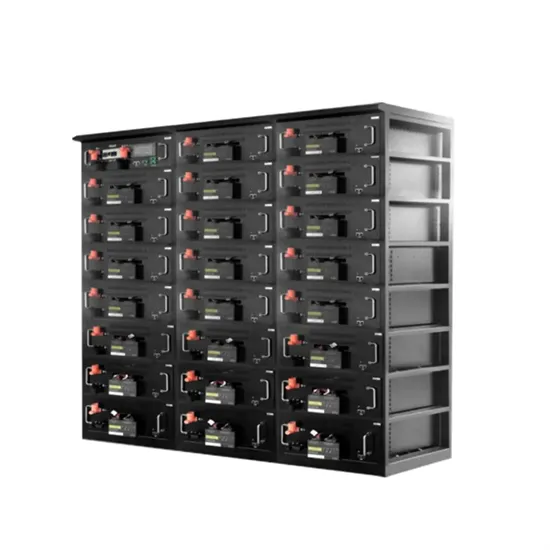
Huawei Technology 5g solar container communication station Wind
Huawei''s intelligent solar-wind storage generator solution provides in-depth support for the power grid through three stabilization technologies: voltage, frequency, and power angle.
La versión PDF incluye el artículo completo con referencias de origen. Adecuado para imprimir y leer sin conexión.