

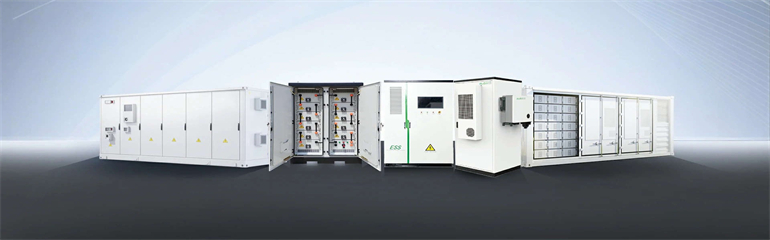
Air-Cooled vs. Liquid-Cooled Energy Storage Systems: Which Cooling
With larger systems and higher cycling demands, liquid cooling is rapidly becoming the mainstream choice for projects over 1MWh or 500kW. That said, air cooling still dominates in
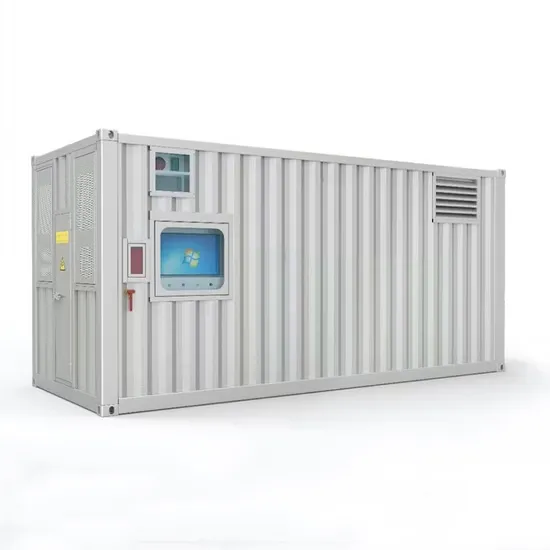
Frontiers | Research and design for a storage liquid refrigerator
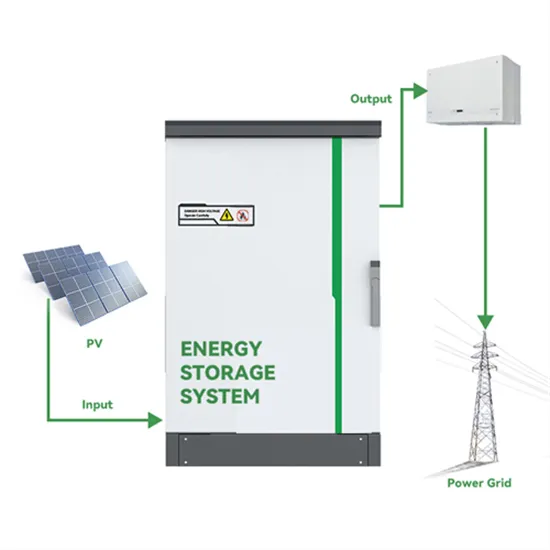
In industrial and commercial energy storage scenarios, energy storage batteries need to be flexible, have high energy density, safe operation, and high battery consistency.
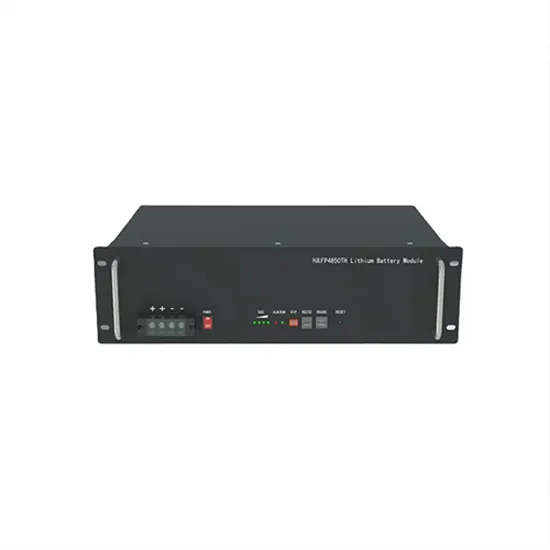
Advantages and disadvantages of liquid cooling and air cooling in
Liquid cooling and air cooling are two common cooling methods for energy storage systems, which have significant advantages and disadvantages in terms of performance, price, and development trends.
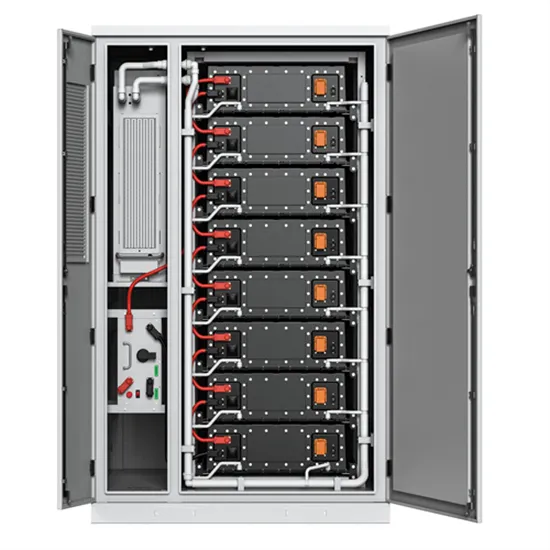
Critical review of energy storage systems: A comparative assessment
Key challenges such as high costs, efficiency limitations, and infrastructure requirements are also addressed with potential mitigation strategies.
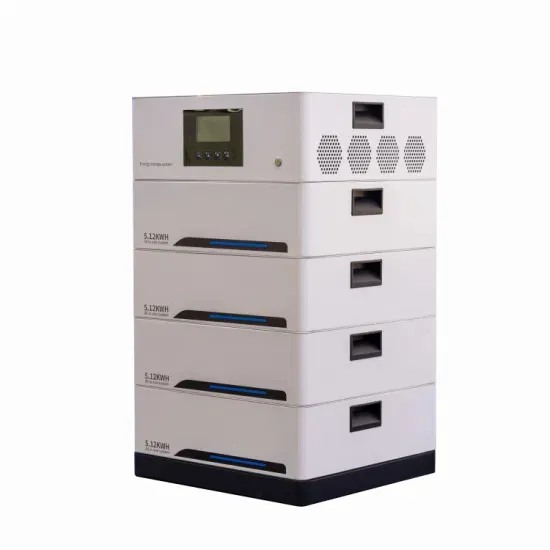
Understanding the Benefits of Liquid Cooling Energy
Discover the benefits and challenges of liquid cooling energy storage, a key technology for renewable energy systems.
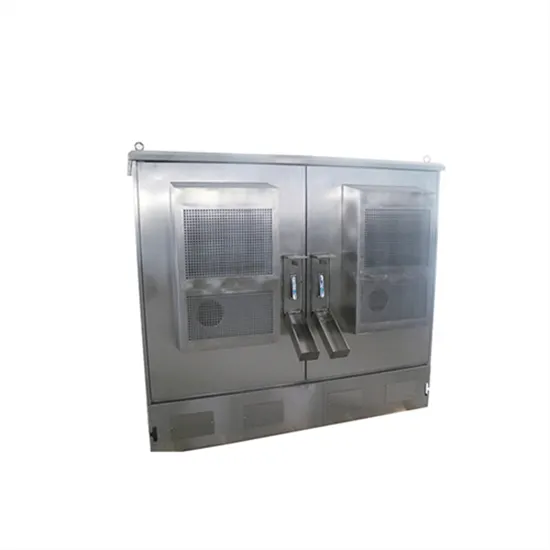
Understanding the Drawbacks of Liquid Cooling Systems in Energy
Imagine a car engine without easy access to its coolant—liquid cooling systems face similar challenges. Routine tasks like fluid replacement or leak detection often require specialized technicians.
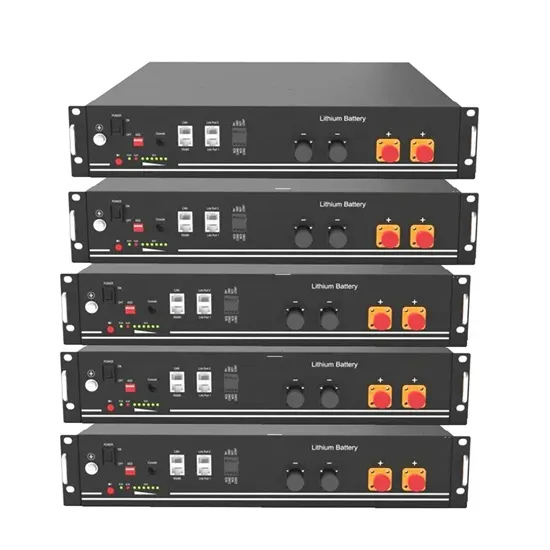
Comprehensive review of energy storage systems technologies,
Hybrid energy storage system challenges and solutions introduced by published research are summarized and analyzed. A selection criteria for energy storage systems is presented
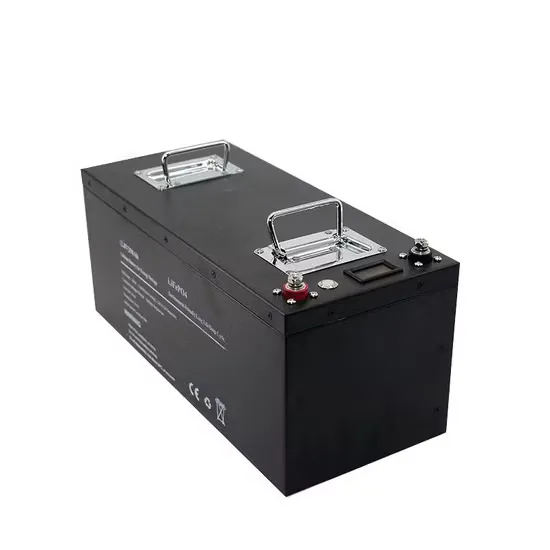
Advantages and disadvantages of liquid-cooling energy storage
Liquid cooling is generally more suitable for larger, high-power applications where heat management is critical, while air cooling may be sufficient for smaller, less intensive applications
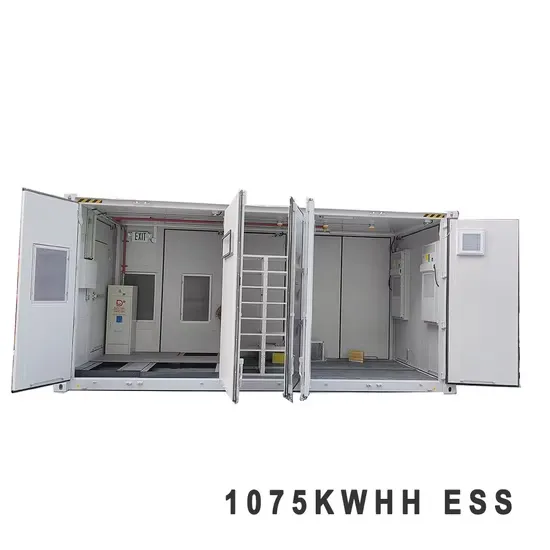
Air Cooling vs. Liquid Cooling for Energy Storage Systems: Key
This article explores the pros and cons of air cooling and liquid cooling technologies, helping businesses choose the right solution for renewable energy, industrial, or commercial applications.

Understanding the Drawbacks of Liquid Cooling Systems in Energy
Upfront investment: Liquid cooling setups require pumps, tubing, and heat exchangers, adding 20-30% to installation costs compared to air-cooled systems. Energy consumption: Circulating coolant
La versión PDF incluye el artículo completo con referencias de origen. Adecuado para imprimir y leer sin conexión.